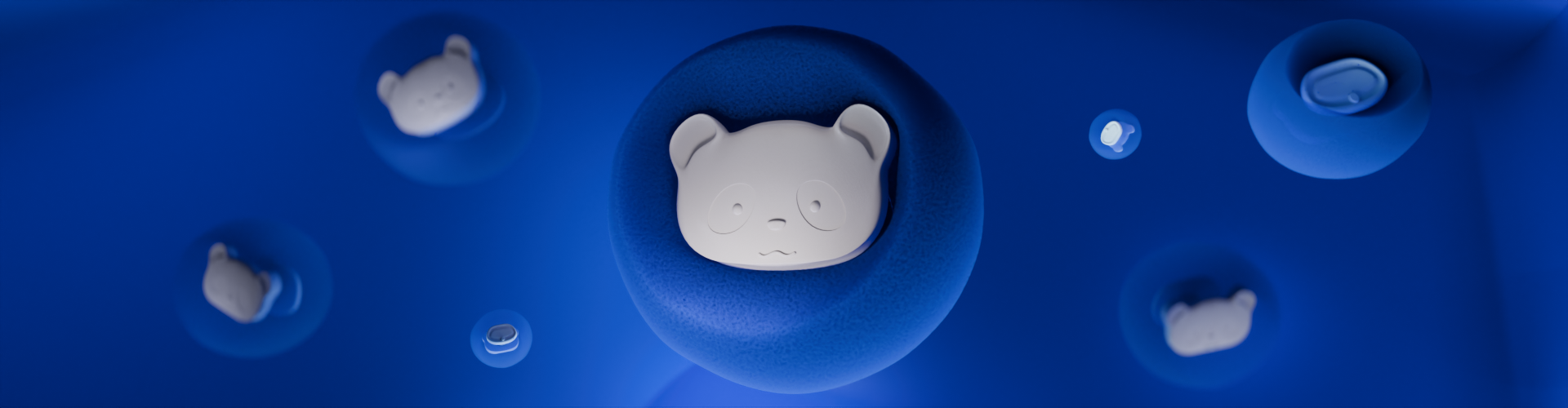
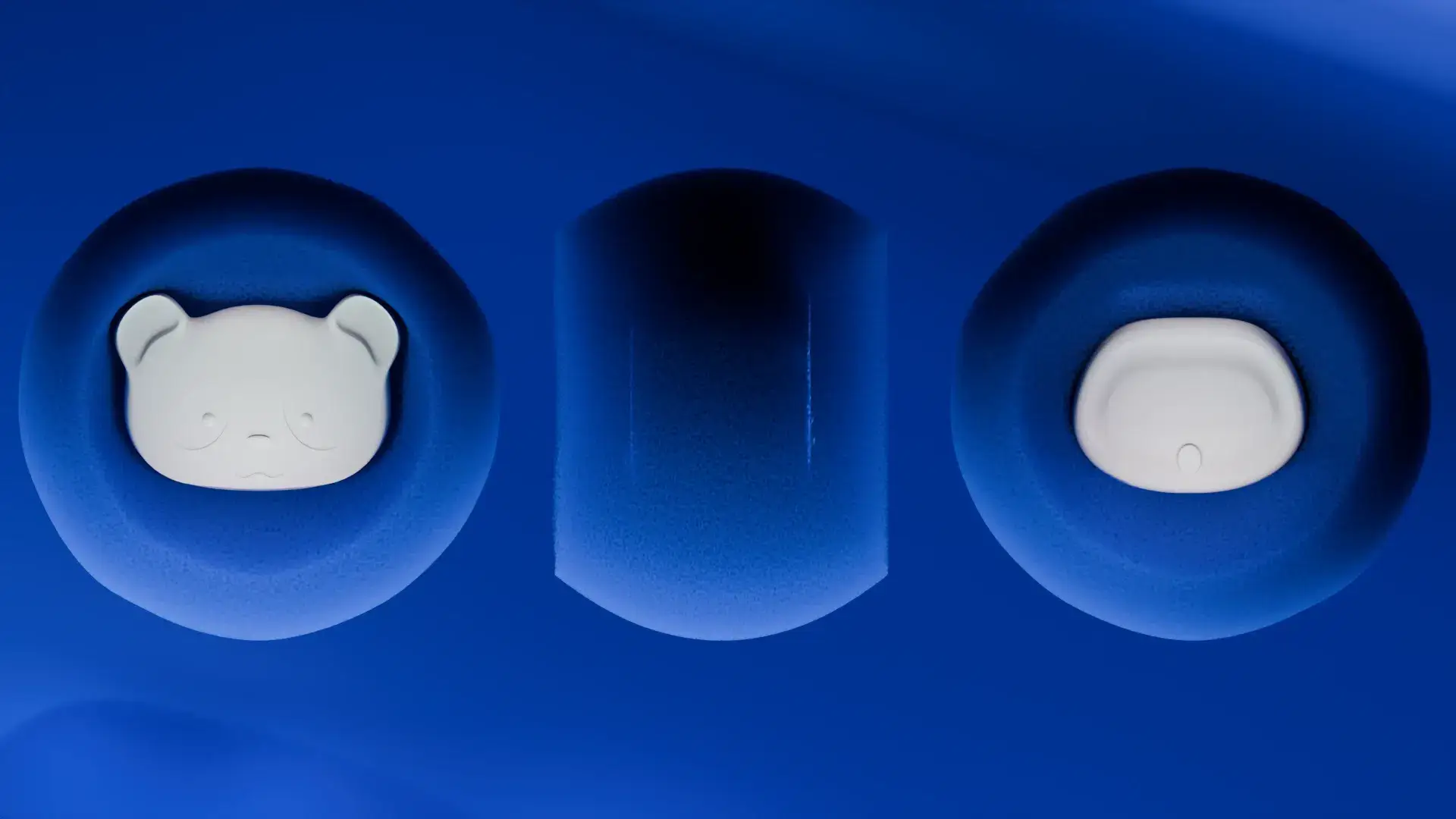
The goal of this project was to discover 3D modeling by recreating an everyday object. I chose a panda-shaped lint remover, a simple object at first glance but interesting for learning how to turn soft, compact shapes into volume. This project helped me work on modeling accuracy and procedural materials, while creating an artistic scene inspired by an advertising-style render.
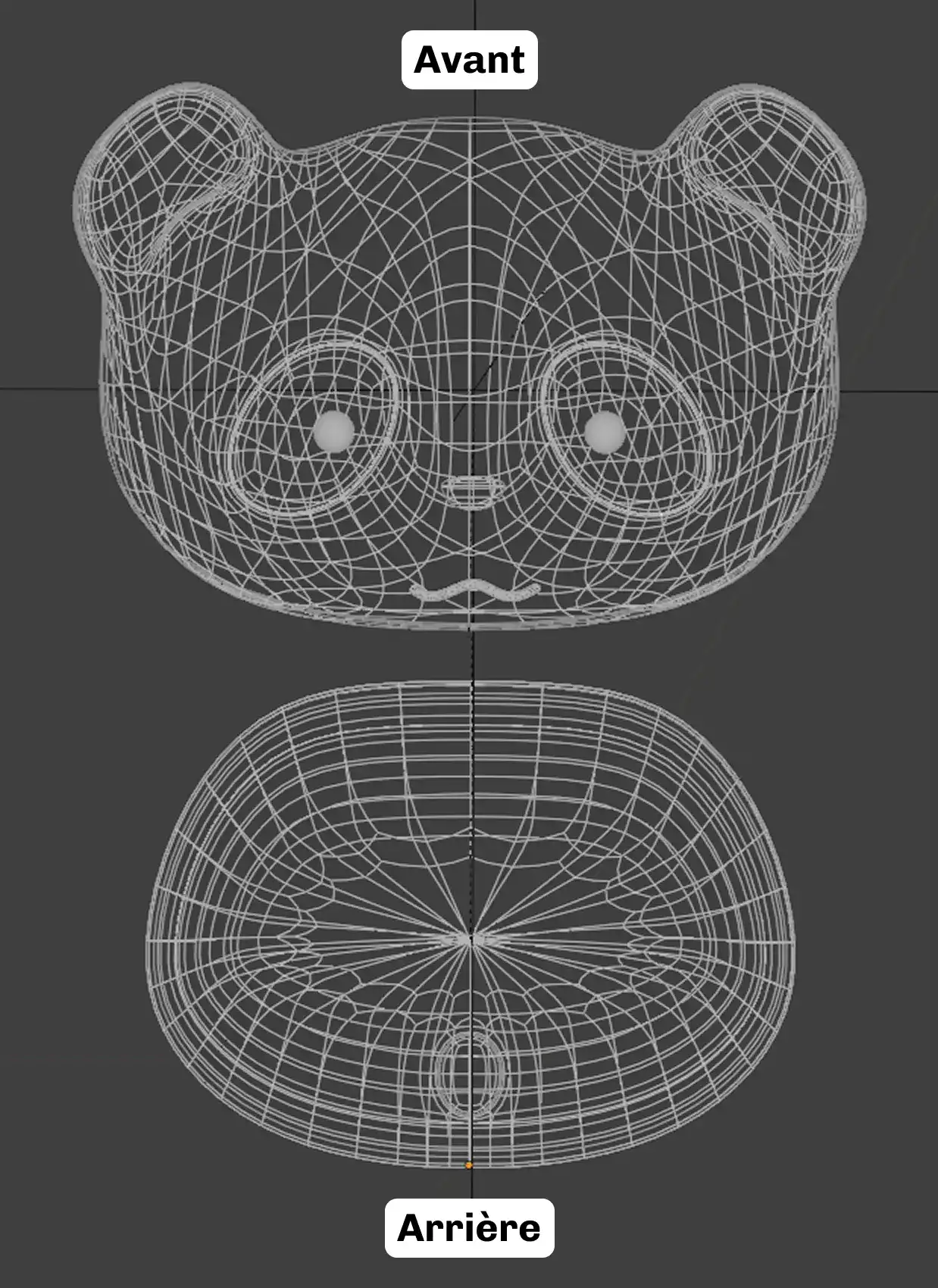
The modeling was done entirely in Blender. Each element started from a cube, which I extruded, beveled, and reshaped step by step. I used modifiers like Mirror to keep perfect symmetry and Subdivision Surface to get smooth, controlled shapes.
Once the modeling was finished, I created two procedural materials directly in the Shader Editor. I also made an artistic render using soft lighting, saturated colors, and a centered composition to present the object like a product advertising shot.
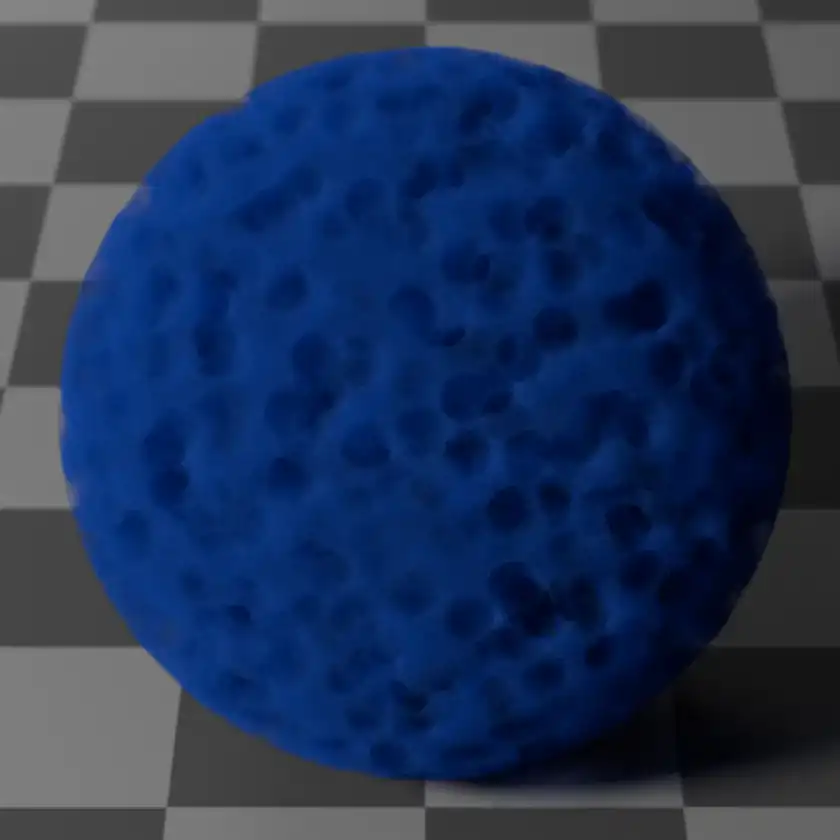
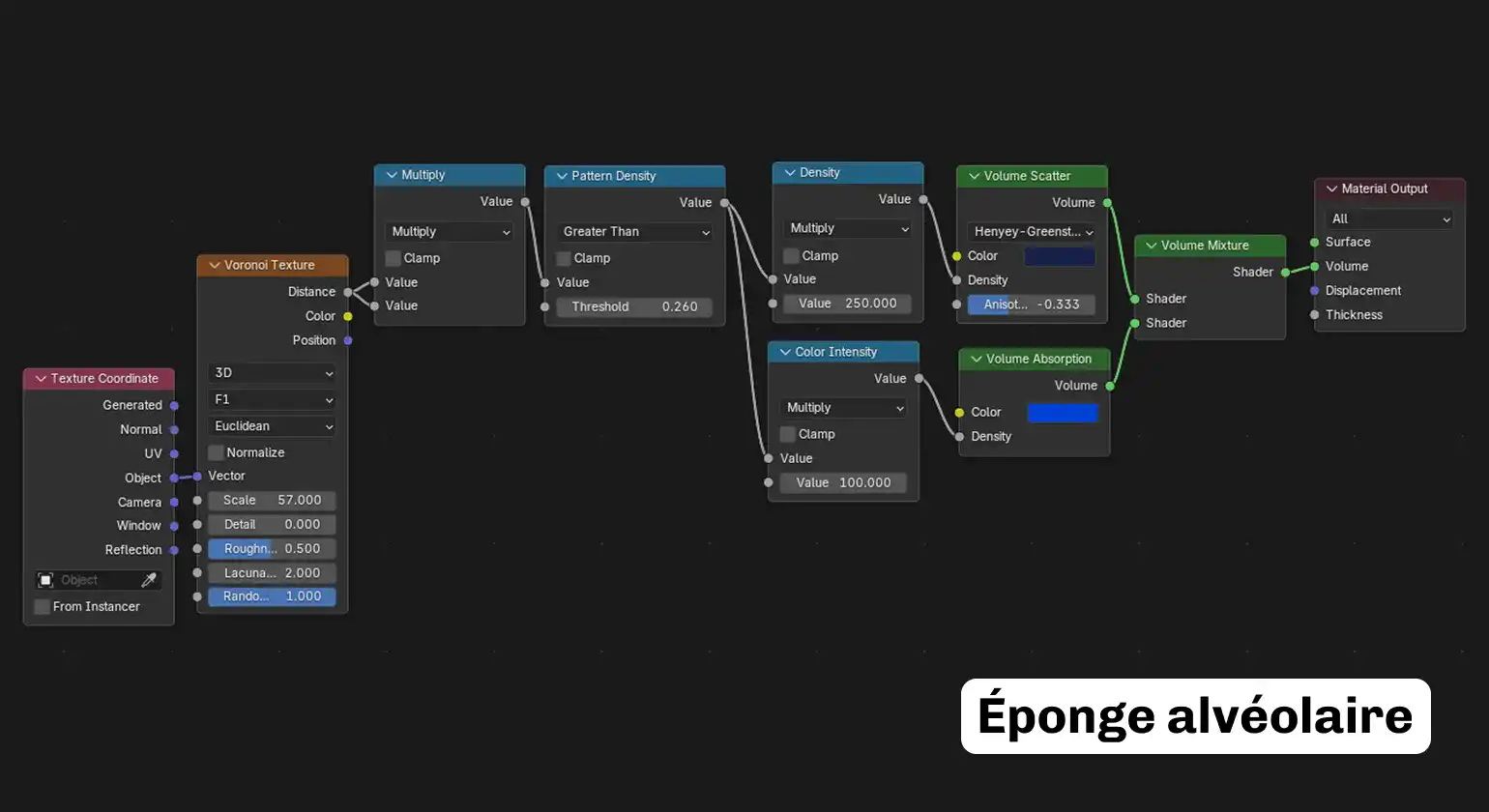
To recreate the sponge texture, I designed a procedural material based on a 3D Voronoi combined with several math nodes. The goal was to simulate irregular cells by adjusting density, threshold, and value multiplication to create areas that are more or less opaque. The porous look comes from mixing Volume Scatter and Volume Absorption, which add depth to the material.
This material reacts strongly to light: the more side lighting you use, the more the cells appear. It’s a good example of a fully procedural texture that creates a sense of inner volume without using any image textures.
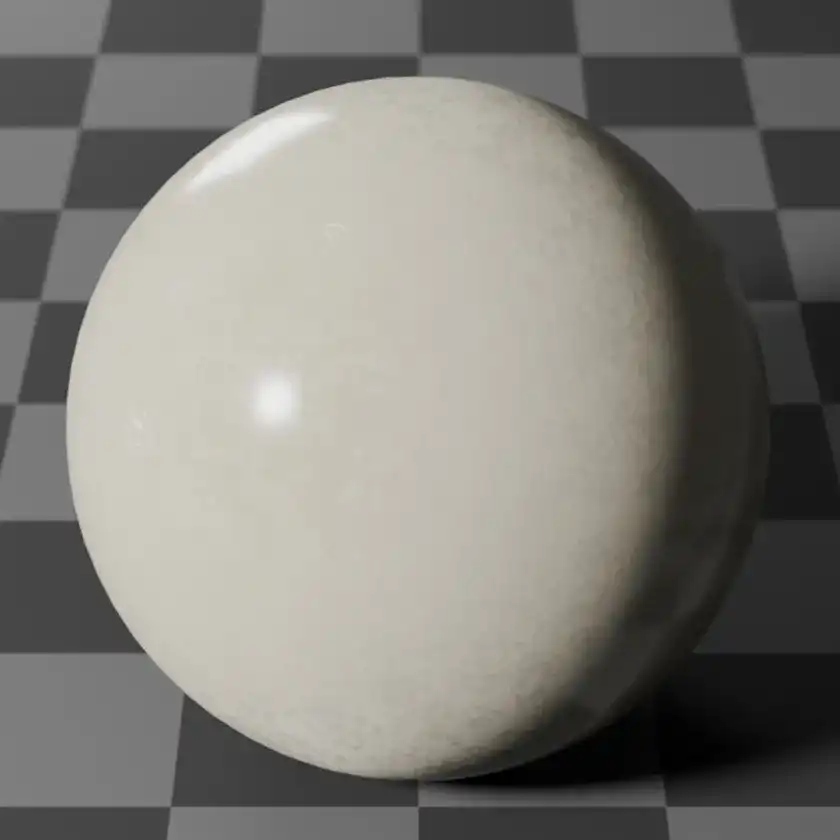
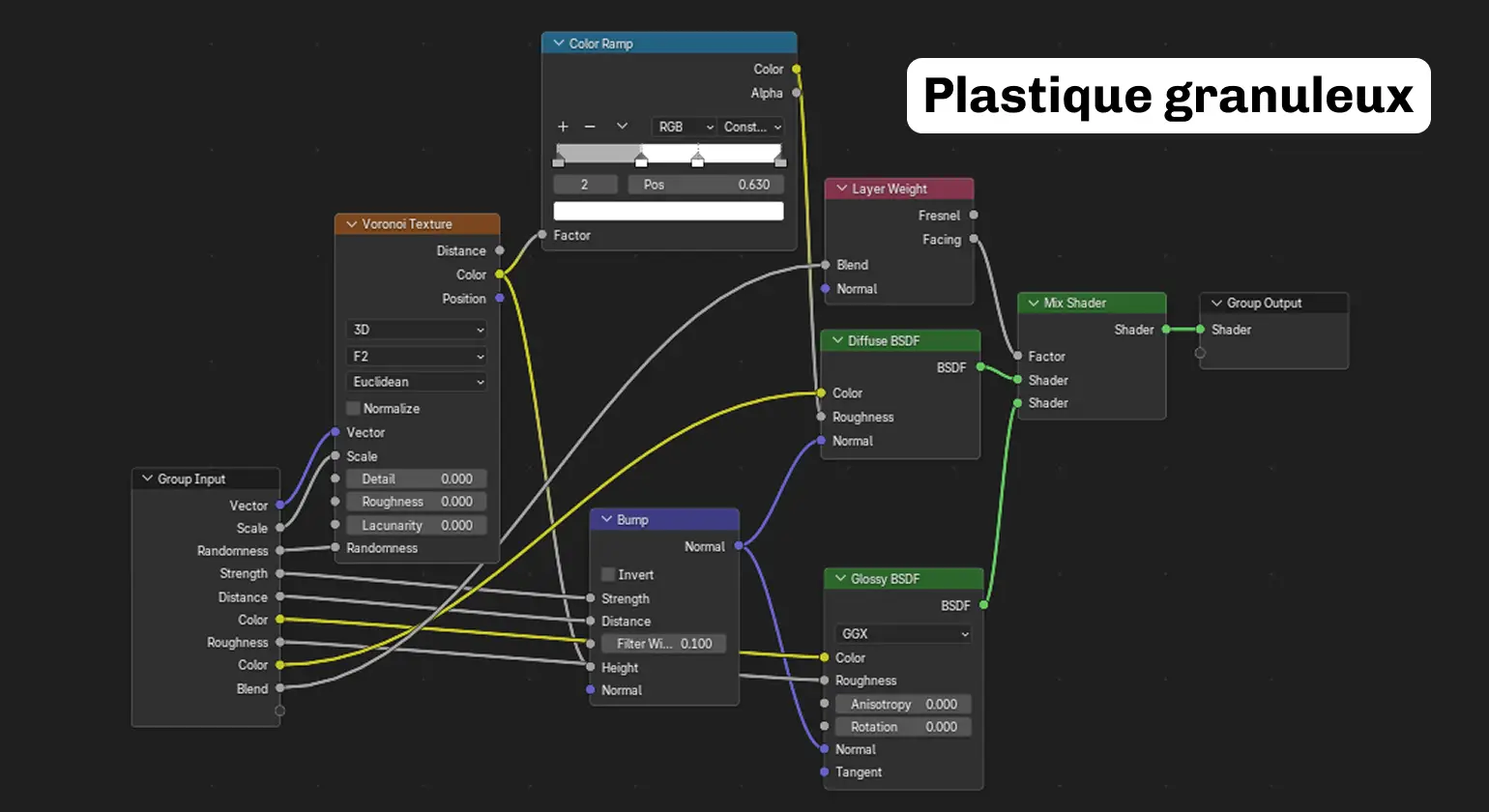
For the panda’s plastic, I created a more subtle texture inspired by the tiny granules found on molded plastic objects. I again used a Voronoi texture, this time combined with a ColorRamp and a Bump node to create a very fine grain. The mix gives a slightly satin plastic, not too shiny and not too matte.
This material is rich without feeling heavy. It adds a subtle realism, mostly visible in close-up shots, and makes the object look less “perfect,” so more believable.